
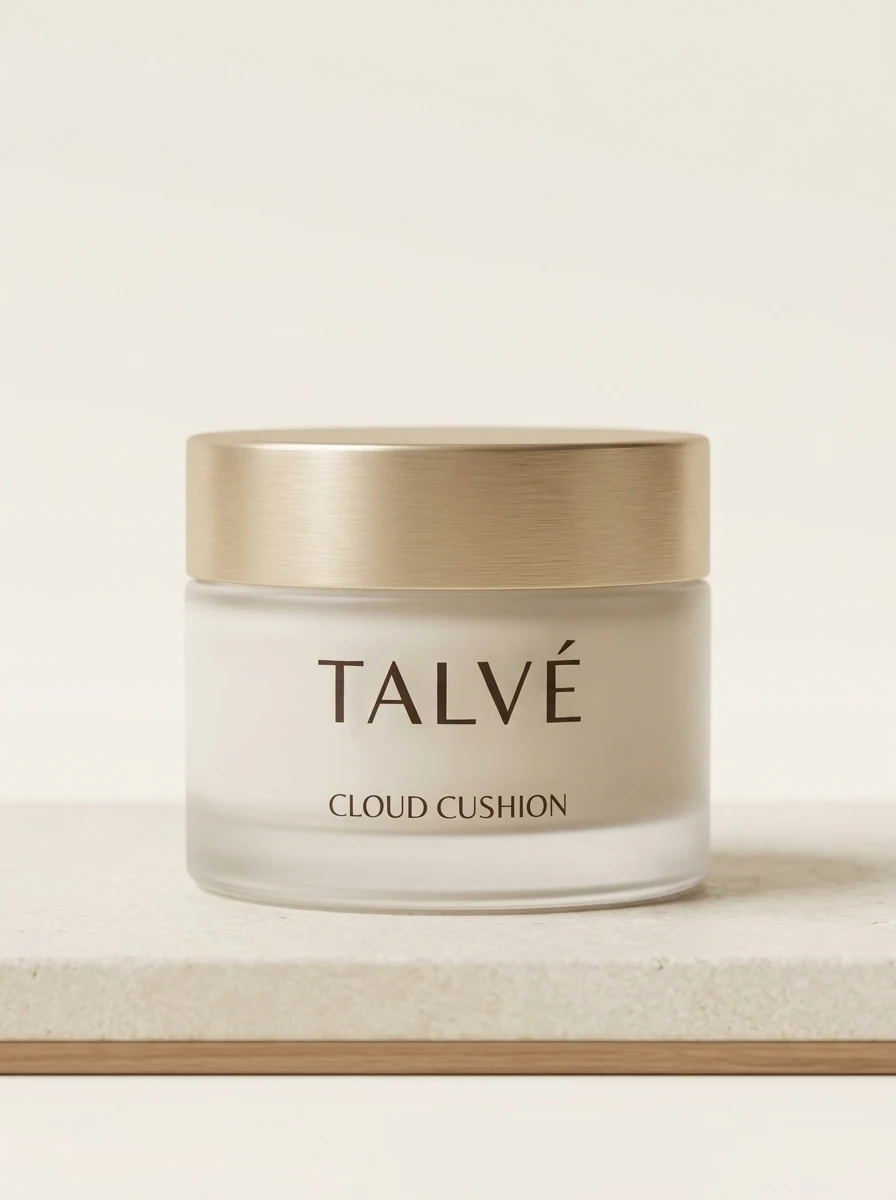
Cloud Cushion | Rich moisturizer
Cloud Cushion, TALVÉ’s rich moisturizer. For mornings when you prefer a fuller cream and evenings that end with skincare.
Find your routine ↗Cloud Cushion is TALVÉ’s rich moisturizer. For mornings when you prefer a fuller cream and evenings when skincare is your last stop before bed.
When you want a richer cream
Cheeks are often where a change in comfort becomes noticeable first. You may feel it after washing, during a day indoors with air conditioning, or when the evening turns cool. A rich cream is a texture to consider when you enjoy a more substantial moisture step. For some people that means an everyday favorite; for others it is a choice for certain seasons or particular days.
Think about the experience in three parts: the first touch, how the cream spreads and how your face feels once you have finished getting ready. A jar photograph gives you only the beginning of that story. Your schedule matters, too. An unhurried evening allows a different ritual from a morning when sunscreen and makeup are waiting. Let the moment when you will really use the cream guide the comparison.
Your cheeks, forehead and nose may ask for different things. Some people like to give dry-feeling areas more attention while keeping the rest of the routine lighter. Follow the directions on the product when deciding where and how to apply it. That simple flexibility can be more useful than choosing a single texture label for your entire face, all day, through every season.
After a serum at night, before sunscreen by day
In the evening, moisturizer can bring a short routine to a satisfying close. Start with cleansing that suits you. If a serum already belongs on your shelf, cream may follow it according to the directions of both products. A serum is optional; cleansing and cream can make a complete-feeling ritual of their own. The point of each step is easier to appreciate when you know why it is there.
Consider the minutes between applying your cream and going to bed. Someone who reads or plans the next day after skincare may enjoy a different finish from someone who moves straight from the mirror to the pillow. Hair, a pillowcase and the feel of your face against them all belong to the everyday experience of using a cream. A texture becomes meaningful when it works with the way you actually end your day.
Morning brings a different cast of products. Sunscreen follows its own label and directions; makeup may come after. Notice how the layers spread together and whether you like the final look in daylight. A moisturizer has a moisture role, while sunscreen is the dedicated sun-protection step. Keeping the roles clear leaves you free to judge the cream on the part of the routine it was chosen for.
When adding any cream to an established routine, keep the surrounding products familiar at first. You will have a clearer sense of what changed in the feel or finish of the layers. Begin with the use directions on the package and allow a little time for the order to feel natural. A routine earns its place when it is pleasant on an ordinary Tuesday, as well as on a quiet weekend.
A cream for the season you are in
A hot afternoon outdoors, an air-conditioned office and a heated room in winter invite different texture preferences. Cloud Cushion sits at the richer end of the TALVÉ moisture collection, for those who enjoy a more substantial cream step. That may be every evening, only during a colder stretch, or simply whenever you enjoy a fuller-feeling step.
How you use the jar matters as much as where you keep it on the shelf. Approach Cloud Cushion with clean, dry hands, close the lid after use and follow the storage directions on its package. A spot that is convenient at the time you use your cream makes those small habits easy. They help keep the experience tidy from the first opening to the last use.
Check the intended application area on the label, especially when you use separate products around your eyes or on your lips. Each product has a role and directions of its own. If you already know that a particular ingredient causes you trouble, use its exact name when checking the ingredient list on the package. Texture preference and ingredient awareness can sit comfortably beside one another in a beauty routine.
Cloud Cushion or Water Petal?
Both start with the same question: what kind of moisture step do you want today? Cloud Cushion is the richer cream; Water Petal is the light gel cream in the collection. If you picture a fuller final step at night or want to pay extra attention to cheeks that feel dry, begin with Cloud Cushion. If your morning has several layers to accommodate, spend time with Water Petal as well.
Compare them by the hour you will use them, the products around them and the finish you enjoy. If you wear makeup, picture the cream alongside your existing sunscreen and foundation. If evenings are your favorite skincare moment, consider how you want your face to feel after cleansing. One cream may fit your whole year, or you may enjoy changing textures with your routine. A useful choice is one with a clear place in daily life.
You can find more textures in the face moisturizer collection. Read each description with its use directions and look for the cream that fits the moment you have in mind.
Ceramides and the moisture barrier, beyond the soft feel
If you enjoy a rich cream, you may also wonder what helps skin hold on to moisture. The outer skin layer helps retain water, and its lipids contribute to the skin barrier. Ceramides are one family of those lipids. That is why their name often comes up in conversations about dry skin and moisture care.
When reading a cream's ingredient list, think about the different jobs involved. Water-binding ingredients help with hydration; emollients contribute to a smooth feel; ingredients that form a layer on the surface can help reduce water loss. A formula may combine several of these roles. Thickness alone does not tell you which combination is inside.
How does that help you choose? You can enjoy Cloud Cushion's rich texture while getting familiar with the language of moisture. This explanation introduces ingredient roles across the cream category. To explore a particular cream's composition, read its own ingredient list. Even a familiar name such as ceramides does not, by itself, reveal a concentration, how the ingredients were combined or what results were measured for the finished formula.
Open the ingredient reader below and paste a list from a package to explore the roles of the names it recognizes. Our guide to reading an ingredient list explains how to navigate the label. Persistent itching, cracking or irritation deserves individual advice from a dermatologist.
Percentages on a cream: what does the number tell you?
A percentage can describe an ingredient's amount, so read the words beside it. For example, 1% w/w means one gram of the ingredient in 100 grams of the complete product. This is an example of reading concentration by weight, not a concentration attributed to Cloud Cushion. It does not describe how much of that ingredient enters the skin.
A percentage attached to a complex or blend may refer to that whole mixture. Knowing the amount of an individual ingredient within it also requires the blend's composition. The full description helps put a prominent number in context.
Results deserve the same attention. Was hydration measured with an instrument, or did participants report how their skin felt? Was the result recorded after one application or repeated use, and at what time? Clear answers make claims easier to compare alongside the texture and feel you enjoy.
Your ingredients, explained.
What brings moisture, what softens, and what gives that lovely texture? Paste the ingredient list from your packaging and get to know the names.
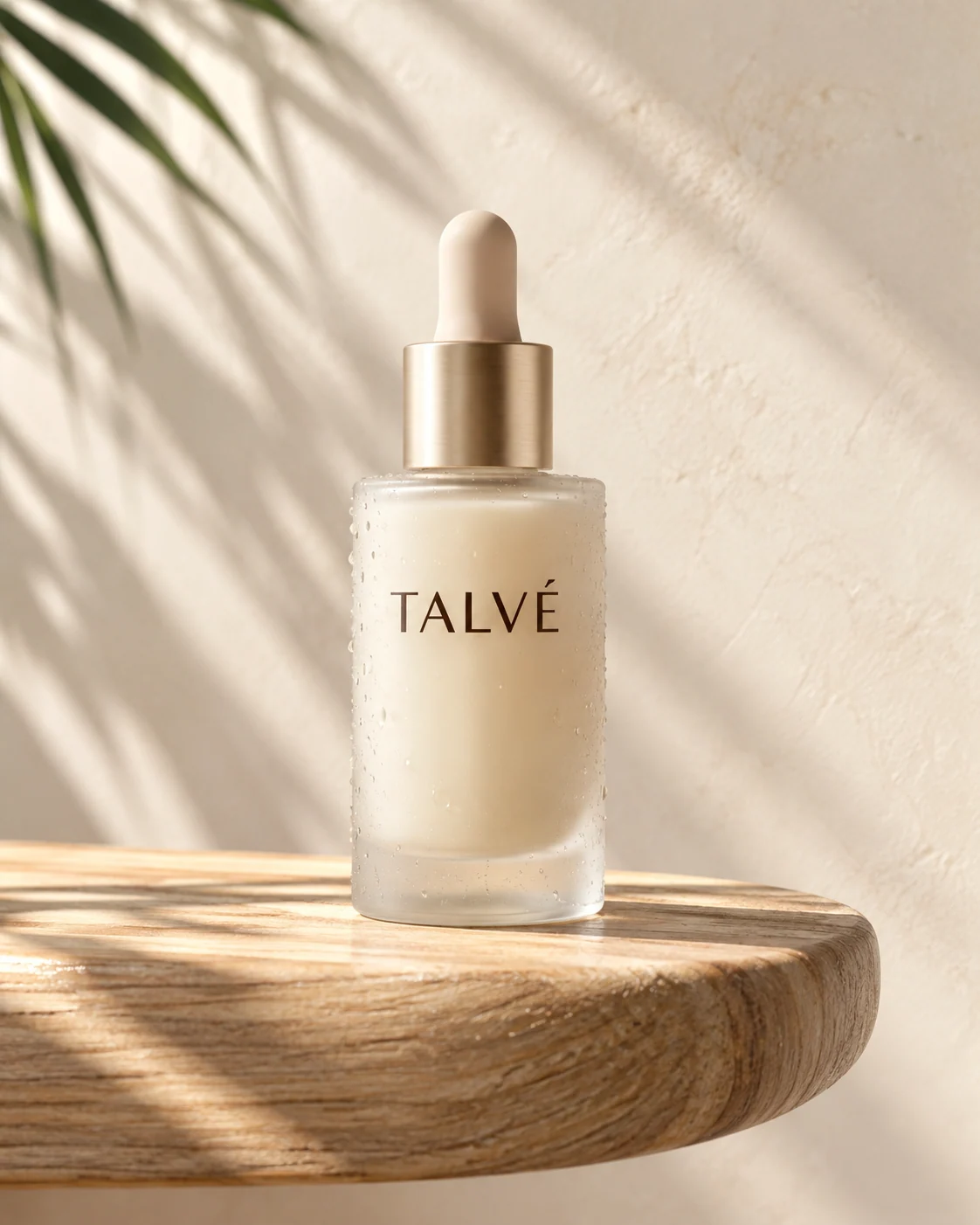
Your list stays on this page. It is not sent or saved, and clears when you change language or leave.
A dictionary of 36 ingredients for your own reading. The example list lets you explore the tool.
A little clearer. A lot more interesting.
What does each one do?
Choose a role to meet the ingredients that can fulfil it. An ingredient can have several roles; counts refer to names, not concentrations.
No name matches both your search and the selected role.
What can’t a list tell you?
Explore common ingredient roles here. Names alone do not reveal concentration, absorption depth, personal suitability or finished-product results. Short- and long-term results need testing of the specific formula. Identifying fragrance is not an allergy test.